Readers’ Projects, Issue 58
Spring 2024

GET STARTED
FREE PRINT & DIGITAL EDITIONS
Spring 2024
Check out the featured Readers’ Projects from Epoxyworks 58!
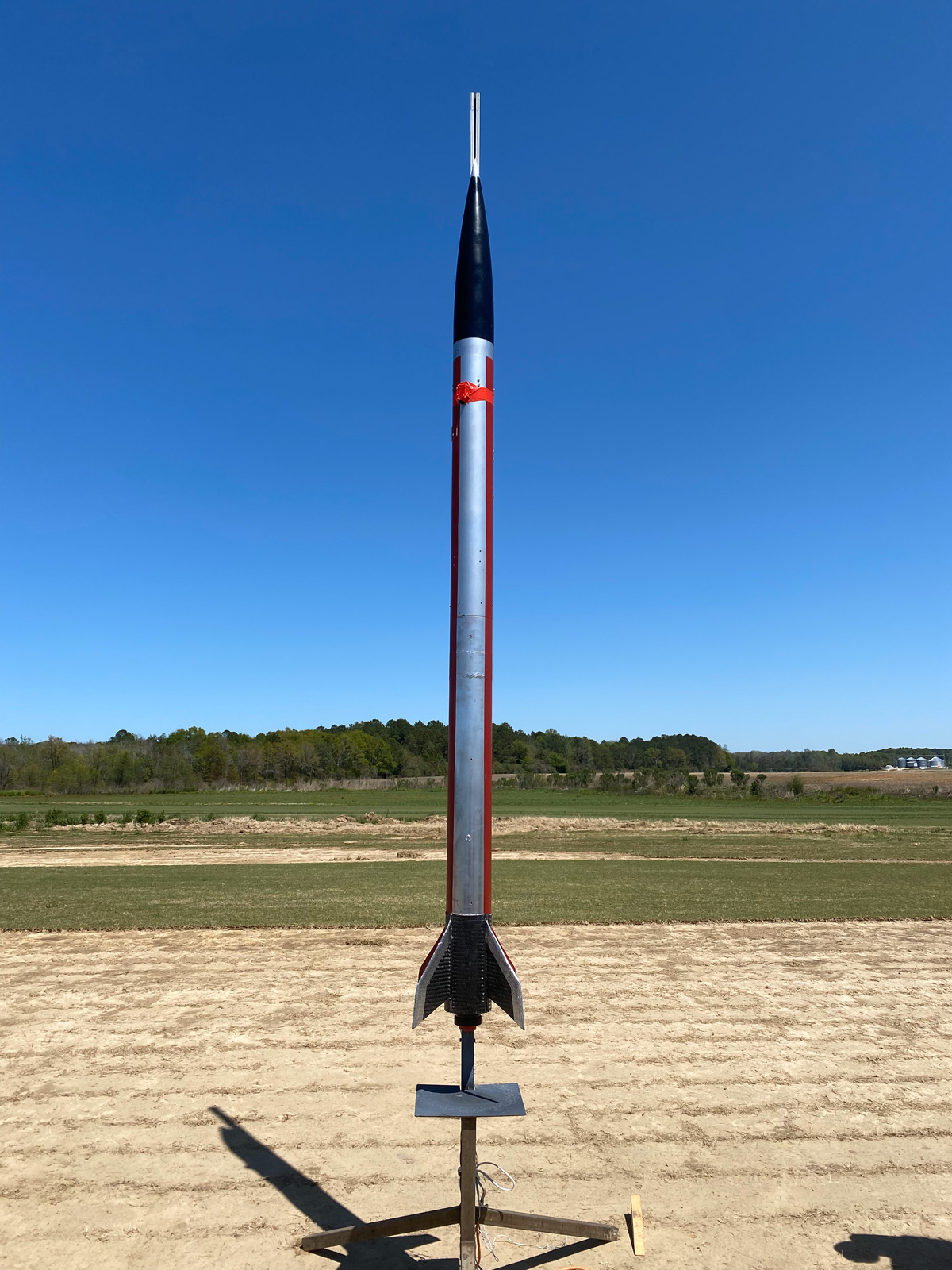
Sindhu Belki is the Project Manager at Alabama Rocketry Association. ARA builds solid and liquid propellant rockets. His team does the composite manufacturing and their top choice for epoxy is WEST SYSTEM. They have been using WEST SYSTEM® products for years and are very happy and satisfied with the outcome. This is a photo of their final product.
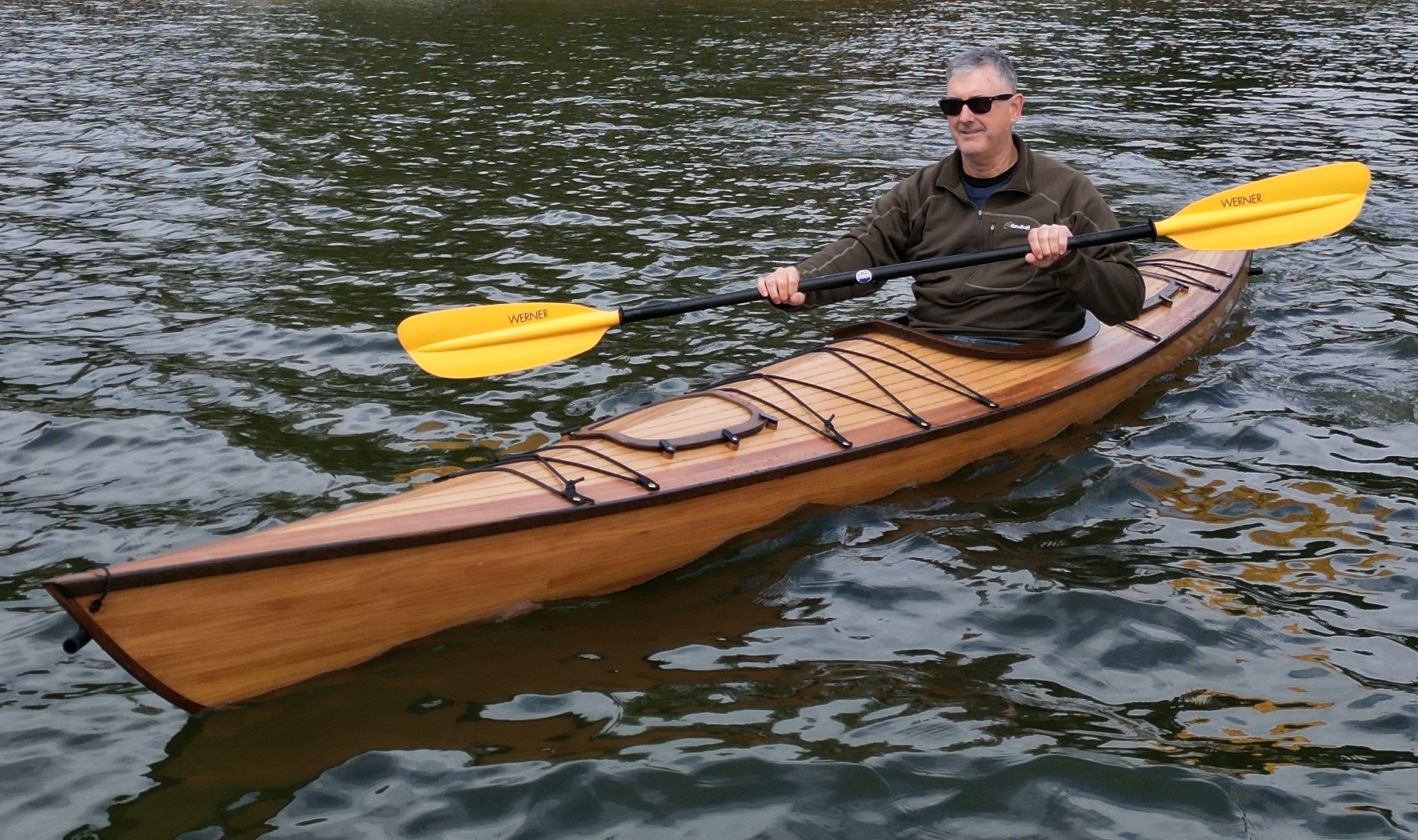
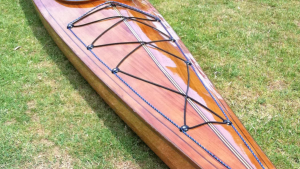
Jon Shackelford, a faithful reader of Epoxyworks, recently built a 16’6″ strip kayak made from Bear Mountain’s Resolute plan using WEST SYSTEM® 105 Resin®/207 Special Clear Hardener®. The hull is western red cedar; the deck is Sitka spruce with mahogany accents and white oak trim. The white oak was darkened with ammonia fumes.
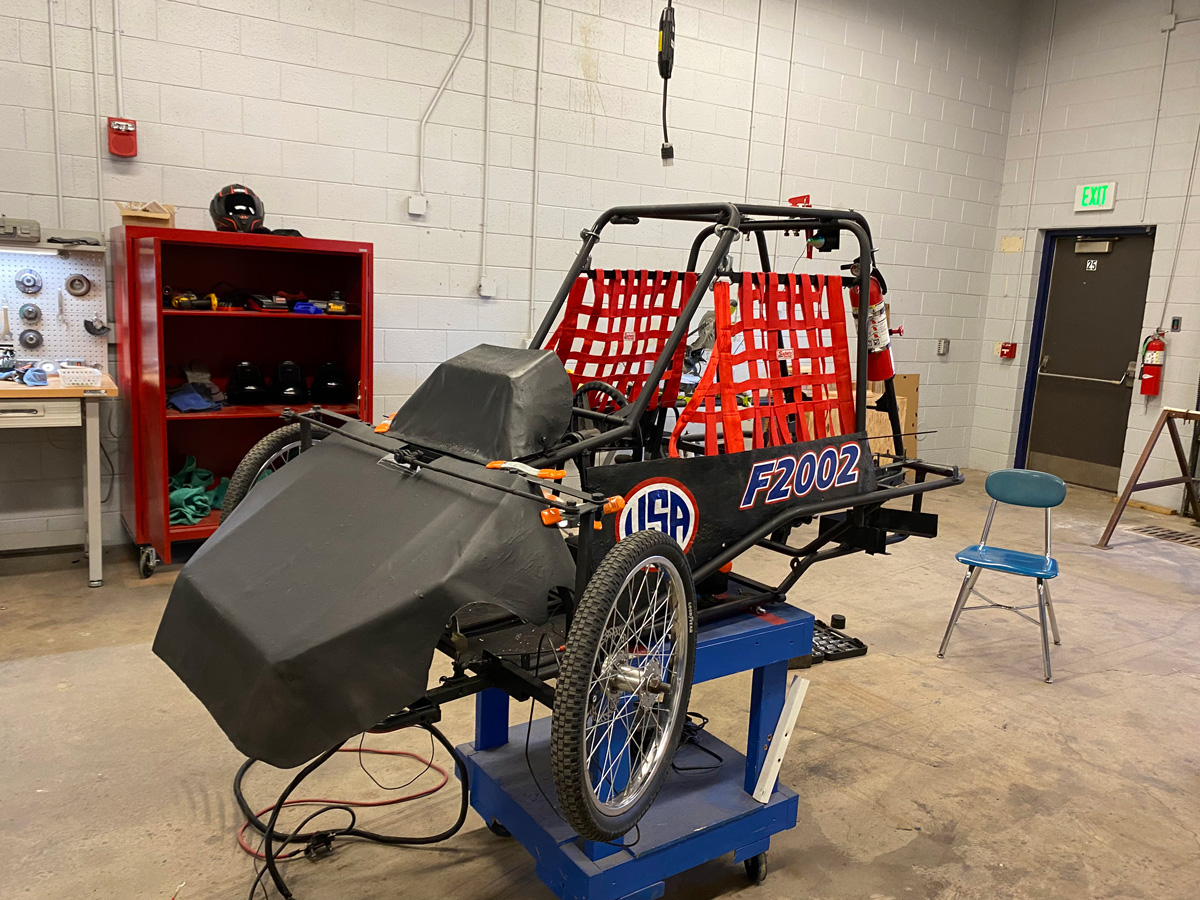
We began working with Unionville-Sebewaing Area High School’s Robotics Electric Racing in 2019. They were working on their first attempt at building an electric car. Since then, they have continued utilizing WEST SYSTEM products in their builds. On this vehicle, the students used WEST SYSTEM Epoxy to build fiberglass body pannels. “The students have learned a lot already and took a lot of pride in what they produced” says mentor Jason Beagle. We look forward to watching their program grow.
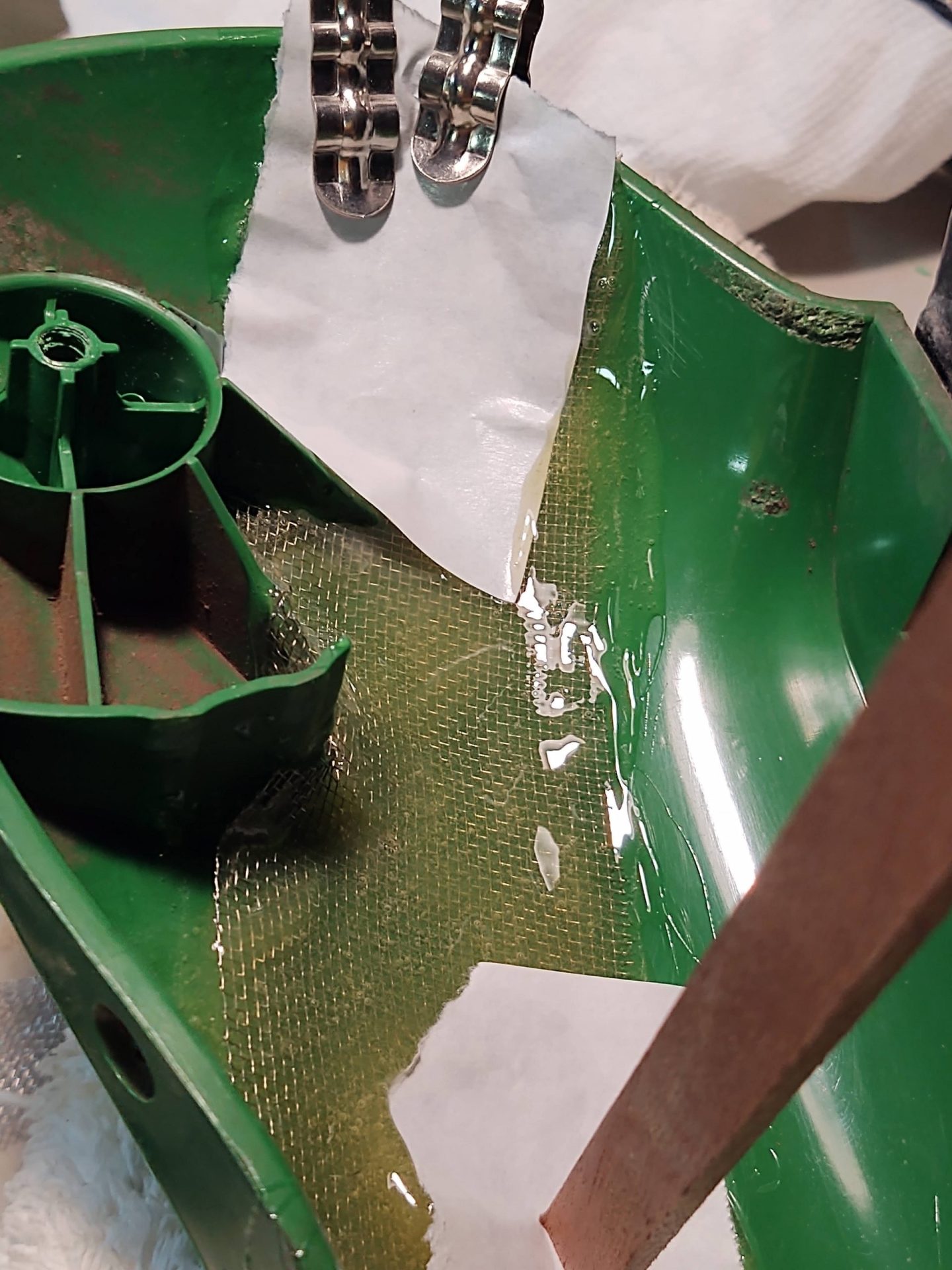
After running into a crosstie, the cowling on John Harter’s John Deere® cracked. The break was so severe he thought about replacing it. After pricing out the cost of a new cowling, he decided to put G/flex® Thickened Epoxy Adhesive to the test. He cleaned the parts with denatured alcohol and went to work. He spread a little G/flex on the parts, then laid a stainless steel screen in the wet epoxy for reinforcement. He then applied a little more G-flex to ensure the screen was fully embedded in the epoxy. Clamping was the most challenging part. After the epoxy cured, he reassembled it just like new! From the outside you can’t really tell it was broken. After almost two years, and all the vibrations of the engine, it’s STILL holding! G/flex epoxy is best!


 Listen Now
  Add to Playlist